


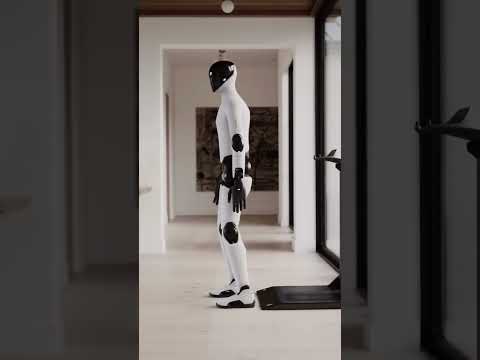


Discover how human augmentation is reshaping our world in 2025! This video dives deep into cutting-edge technologies like wearable exoskeletons, brain-computer interfaces (BCIs), medical implants, and augmented reality tools. Learn how these innovations are enhancing physical capabilities, boosting cognitive performance, and revolutionizing healthcare, defense, and workplace productivity.
From AI-assisted surgery to exosuits for soldiers, human augmentation is more than sci-fi-it’s happening now! We explore the ethical challenges, privacy concerns, and societal impacts of these advancements. Whether it’s exoskeletons helping individuals regain mobility, BCIs enabling thought-controlled devices, or augmented reality enhancing workplace safety, the potential is limitless.
But with great innovation comes responsibility. Who owns the data from wearables? Can we ensure equitable access to these life-changing technologies? Join us as we discuss the promises and pitfalls of a future where humans and machines merge.
Stay ahead of the curve with this in-depth look at the trends and implications of human augmentation in 2025. Don’t forget to like, comment, and subscribe for more tech insights!
#HumanAugmentation
#FutureTech
#WearableTechnology
#BCI
#BrainComputerInterface
#Exoskeletons
#AugmentedReality
#MedicalInnovation
#DefenseTech
#CognitiveEnhancement
#AIInHealthcare
#TechTrends2025
#EthicalTech
#PrivacyConcerns
#WorkplaceSafety
#AIAdvancements
#SmartWearables
#Neuroprosthetics
#AugmentedWorkforce
#MedicalBreakthroughs
#InnovationInHealthcare
#TechForGood
#FutureOfWork
#CyberEthics
#TechAndSociety
#AIIntegration
#DigitalTransformation
#AssistiveTechnology
#HealthTech
#NextGenTech
Impacted Parties:
Healthcare Providers
Impact: Surgeons and medical professionals gain access to AI-assisted tools for precision surgeries and diagnostics. Patients benefit from wearable health monitors and implantable devices that manage chronic conditions in real-time.
Individuals with Disabilities or Injuries
Impact: Enhanced mobility and independence through exoskeletons, prosthetics, and neuroprosthetics that restore motor functions or senses like hearing and vision.
Defense Personnel and Military Organizations
Impact: Soldiers equipped with exosuits and cognitive enhancement wearables experience increased efficiency and reduced fatigue, improving overall mission performance.
Workforce and Industrial Employees
Impact: Augmented reality and wearable tools enhance workplace safety, monitor fatigue, and provide real-time instructions, reducing errors and injuries.
Tech and Manufacturing Companies
Impact: Increased demand for advanced wearable devices, robotics, and medical technologies drives innovation and creates new market opportunities.
Policy Makers and Regulatory Bodies
Impact: Greater pressure to develop policies and regulations that address the ethical and safety implications of human augmentation technologies.
Privacy and Data Advocacy Groups
Impact: Heightened concerns over data ownership and privacy related to wearable and implantable devices, sparking advocacy for stricter regulations.
Ethicists and Sociologists
Impact: Calls for addressing societal divides as advanced technologies may widen the gap between those who can afford augmentation and those who cannot.
Education and Training Organizations
Impact: Increased need for training programs to familiarize the workforce with augmented technologies and their applications in various fields.
Consumers
Impact: Everyday individuals face new opportunities and challenges as wearable tech becomes a part of daily life, raising awareness about its benefits and risks.